When most people think about physical therapy, they picture someone recovering after an injury or surgery. That’s a major part of what physical therapists do, but it’s not the whole story. Physical therapy is just as valuable before surgery, during recovery and long after you feel better. It’s more than getting back to normal. It’s about building resilience, so your body stays strong and healthy for the future.
If you’re planning a hip replacement, for example, you may already know you’ll need post-op physical therapy. What many patients don’t realize is that starting PT before surgery—often called prehabilitation—can make recovery smoother and faster. Working with a physical therapist before your procedure helps you strengthen muscles, improve flexibility and build confidence in your movement. Those improvements may be able to shorten hospital stays, reduce complications and help you return to daily activities sooner.
Physical therapy is also about prevention. Many people develop movement habits over time that place stress on joints or lead to pain. A physical therapist can spot those patterns and show you how to move in ways that protect your hips, knees and back. Learning proper mechanics now can prevent future injuries and reduce wear on a new joint.
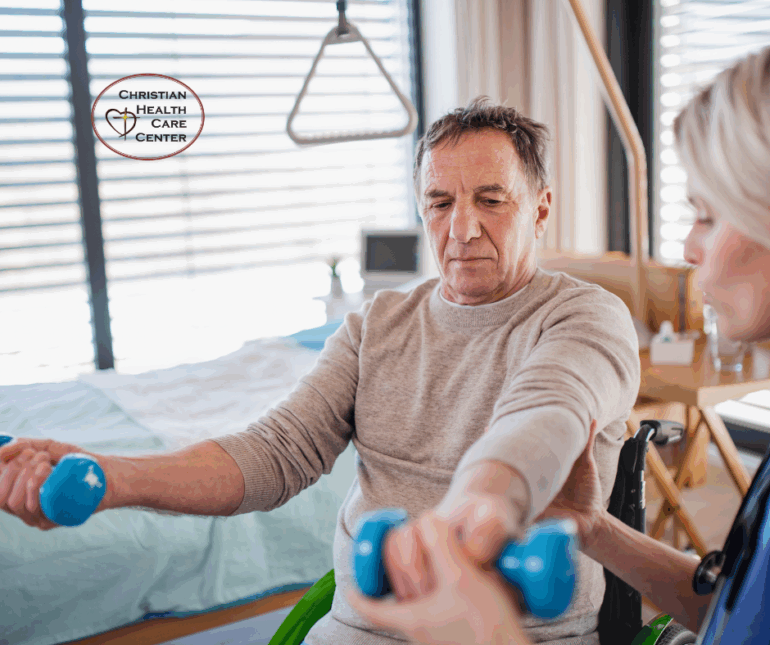
After surgery, physical therapy is essential for regaining strength and mobility. But the benefits don’t stop when you finish your rehab plan. Continuing with a customized program focused on strength, balance and endurance can help you keep the progress you’ve made and avoid setbacks. It can also improve your overall quality of life by making it easier to walk, exercise and stay independent.
For older adults, maintaining balance and coordination is especially important. Falls are a leading cause of injury, but targeted exercises can lower that risk. A physical therapist can design a program that improves stability and confidence, allowing you to stay active and engaged in daily life as long as possible.
Physical therapy also plays a role in managing chronic conditions. People with arthritis, osteoporosis or mobility challenges often find that regular PT reduces pain and improves function.
Physical therapy is not just a step on the road to recovery. It’s a long-term tool for building strength, improving movement and supporting your overall health. CHCC is committed to providing personalized care and effective inpatient and outpatient therapy solutions, empowering you to regain independence and improve your quality of life. Nursing staff are here and available 24/7 to support your recovery. Call 354-4434 today to learn more!