Prevent repeated trips to the emergency room by recognizing when medical needs have changed. If an older adult visits the emergency room or a walk-in clinic every month or so, it may be time to consider whether skilled nursing care offers the level of support they now need. Frequent medical visits can indicate that health conditions, medications or daily care needs have become more complex than independent living or assisted living can support.
A move to a skilled nursing center is not based on age alone; it may be prompted by changes in health. Chronic conditions may require closer monitoring. If your loved one is experiencing several of these changes, it may be time to discuss skilled nursing care.
- Frequent trips to the emergency room or walk-in clinic
- Multiple follow-up appointments
- Increasing medication management needs
- Difficulty recovering after illness or hospitalization
- Family members providing frequent transportation for medical appointments
- Ongoing concerns about changes in health between appointments
These situations can affect the entire family. Adult children, spouses and friends may spend several days each month driving a medically fragile loved one to appointments, waiting during emergency room visits and coordinating follow-up care. Managing prescriptions, therapy appointments, insurance and communication between health care providers can become a significant responsibility over time.
How skilled nursing centers support daily medical care
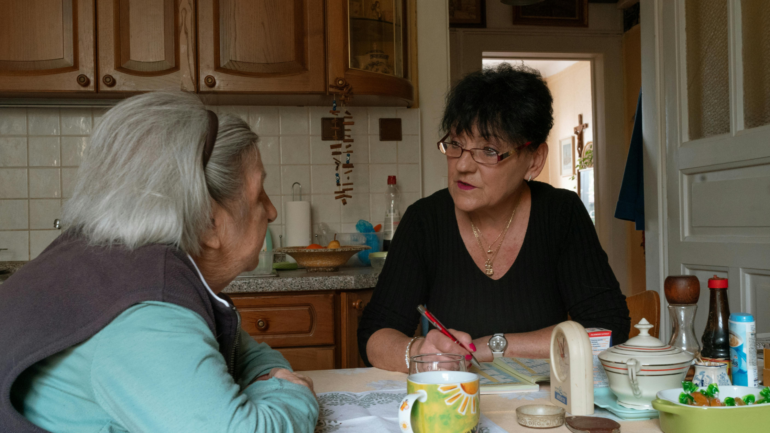
Skilled nursing centers like Christian Health Care Center provide medical oversight where residents live. A medical team monitors health throughout the day, administers medications as prescribed and communicates with physicians when changes occur. Therapy services, nutrition support and assistance with daily activities are available as part of a resident’s care plan.
This level of attention and care can help prevent repeated trips to the emergency room by identifying changes in condition before they require urgent care. Licensed nurses and certified nursing assistants can respond to new symptoms, monitor recovery after illness and coordinate treatment with the resident’s physician.
For families in Lynden, Bellingham and throughout Whatcom County, this approach can also reduce the demands of caregiving. Instead of arranging transportation for every appointment or responding to unexpected medical concerns, family members can spend more time visiting and participating in care decisions.
How to choose the right level of care for an aging parent
Moving from independent living or assisted living to skilled nursing care is a transition, but it can also be a practical response to changing medical needs. The goal is to provide the right level of support while helping residents maintain comfort, dignity and quality of life.
If your aging parent, spouse or other loved one makes regular trips to the emergency room or walk-in clinic, it may be time to ask whether a skilled nursing center could provide more consistent medical oversight. Taking that step may help prevent repeated trips to the emergency room, reduce the burden on family caregivers and support more stable day-to-day care.
Contact CHCC’s admissions team at 360-354-4434 to learn about the many ways we provide long-term care and therapeutic rehabilitation services to Whatcom County residents.