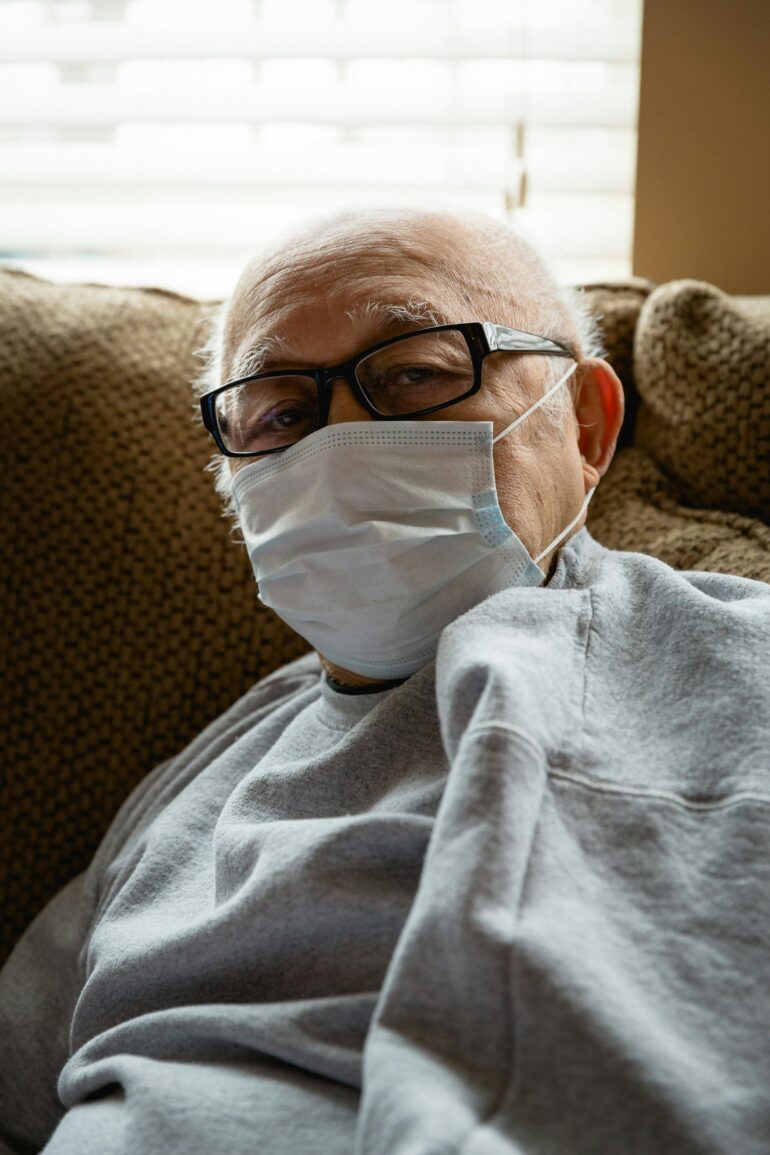
Routine illnesses can change quickly, especially for older adults. What begins as a mild infection can escalate into a complex condition that requires close monitoring and consistent care. Families often feel this shift in real time. One day brings hope for recovery and the next can bring uncertainty, stress and concern about what may come.
Infections such as pneumonia, urinary tract infections with complications, skin infections, sepsis or post-sepsis recovery and gastrointestinal illnesses that cause dehydration can be difficult to manage. In older or medically fragile adults, symptoms may not appear in typical ways. Confusion, weakness or a sudden decline in function may be the first signs that something is wrong.
Managing complex conditions at home can be challenging. Antibiotics and other medications must be given on time and monitored for side effects. Hydration and nutrition can become difficult and weakness increases the risk of falls. Families must also watch for subtle changes that could signal a worsening condition. Sleep is often interrupted, and caregivers may worry about missing early warning signs.
There are times when additional support can make a difference. Frequent emergency room visits, difficulty managing medications or fluids and increasing confusion or decline may indicate a need for more consistent care. Caregivers may also feel anxious about responding quickly enough if a condition changes.
Long-term care can support recovery by providing 24/7 skilled nursing observation. Medications are administered on schedule and monitored for effectiveness. Staff assist with hydration, nutrition and mobility. Changes in condition are monitored, allowing for coordination with physicians and care teams.
At Christian Health Care Center, this level of care includes specialized services such as on-site wound care nurses who support healing for skin and soft tissue infections. This added layer of clinical oversight can help reduce complications and support recovery.
For patients, this approach can lead to a more stable recovery process. Consistent monitoring helps reduce the risk of complications or rehospitalization. For families, it provides reassurance that knowledgeable staff are present.
Some families hesitate to consider long-term care, unsure if it is the right step. In some cases, it can serve as a temporary bridge during recovery. Others may need ongoing support. In either situation, families remain involved in care decisions, and the focus stays on comfort, dignity and individual needs.
Choosing long-term care for complex infection management allows medical needs to be addressed in a structured setting while providing peace of mind for family caregivers. With the right support, both patients and families can move through recovery with greater confidence.
Since 1956, Christian Health Care Center has cared for your loved ones, friends, neighbors and some of our community’s most treasured citizens. We are here when help is needed!
If you have questions about infection recovery or care options, contact CHCC at 360-354-4434.