Managing heart health and blood-related conditions is a difficult task that often falls on the shoulders of family members. When a loved one lives with cardiovascular issues or coagulation disorders, the need for vigilance never truly stops. Spouses and children frequently may find themselves in a cycle of checking pulses, timing medications and watching for subtle physical changes.
This level of responsibility can be stressful. While the desire to provide care at home is rooted in love, the complexity of these conditions can become overwhelming. Recognizing when a loved one needs advanced heart health management is not a sign of failure but a step toward ensuring their safety.
Why cardiovascular and coagulation care is complex
Cardiovascular health requires consistent management because small changes can lead to serious consequences. Family caregivers may find themselves managing several conditions simultaneously, including:
- Congestive heart failure
- Atrial fibrillation
- History of stroke(s)
- Chronic blood clots
Ongoing needs include medication timing, monitoring of vital signs and for those on blood thinners, managing bleeding risks adds another layer of difficulty. A minor fall or a small cut can quickly turn into a medical emergency. When symptoms fluctuate, the burden of deciding whether to call a doctor or head to the emergency room can create a great deal of anxiety.
The limits of caregiving at home
Caregiver fatigue often sets in when sleep is disrupted by the need to check on a loved one throughout the night. Some family members live in fear of missing a warning sign, such as shortness of breath or sudden swelling. Heart health management can require attention 24 hours per day, and it can become very difficult for one person to provide the level of observation necessary to identify complications.
How skilled nursing care supports heart health
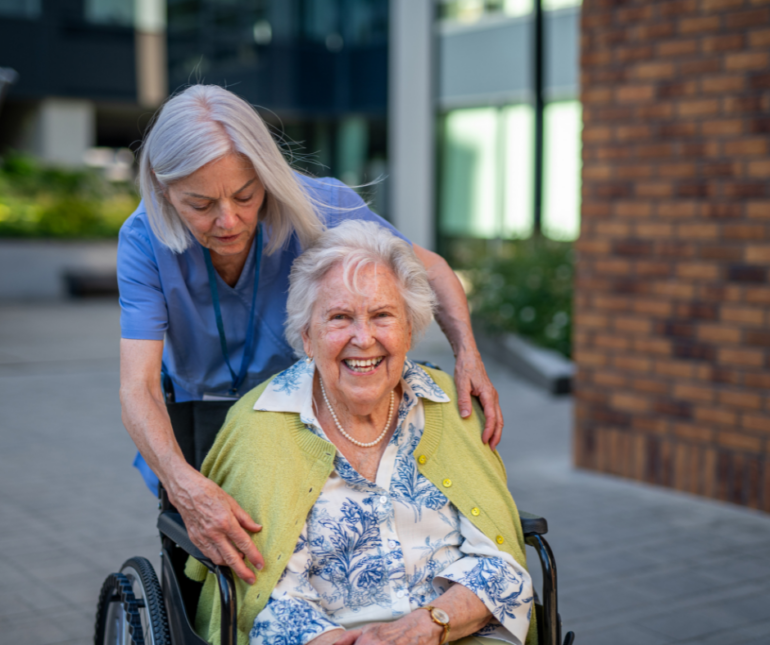
Christian Health Care Center in Lynden, Washington provides the skilled nursing oversight required to manage complex heart conditions. Advanced nursing care offers several advantages:
- Consistent monitoring: Nursing staff monitor vital signs and symptoms at various times each day, allowing for intervention as needed.
- Medication management: Skilled nursing staff coordinate with providers to ensure prescriptions are administered accurately and adjusted as needed.
- Rapid response: If a patient’s condition changes, trained staff can respond promptly, reducing the risk of hospital re-admission.
This support provides peace of mind for families. When skilled nursing staff handle medical logistics, spouses, caregivers and other family members can rest assured. It allows a person living with heart-related diagnosis to focus on their personal connection with their loved one(s).
A proactive choice for safety and peace of mind
Choosing skilled nursing can be a responsible decision that prioritizes dignity and quality of life. At CHCC, families remain involved in care decisions. The transition to a health-focused setting ensures that heart health monitoring supports the resident and the family caregiver.
Choosing support means choosing safety. By partnering with a care team, families ensure their loved ones receive the specialized attention heart health requires while maintaining a high standard of comfort.
Visit chcclynden.org/long-term-care for more information.