
Forming relationships and socialization in long-term care centers can help maintain a resident’s quality of life. Beyond meeting physical and medical needs, social interaction supports emotional health, cognitive function and a feeling of belonging—factors that are just as important to a resident’s well-being.
Residents entering long-term care experience a major life transition, including changes in health, independence and daily routines. Regular social interaction can help counteract these by:
- Reducing loneliness and depression
- Supporting cognitive engagement and mental stimulation
- Encouraging emotional resilience and a sense of purpose
- Promoting physical well-being through increased motivation and activity
Residents who feel connected to others often experience better quality of life and greater satisfaction with their care.
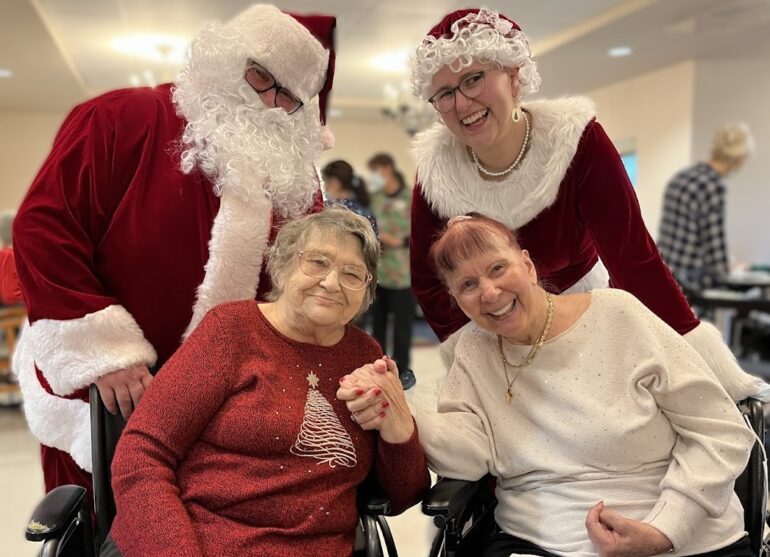
Long-term care centers offer both structured and informal opportunities for residents to connect with others. At Christian Health Care Center in Lynden, WA, socialization is intentionally woven into daily life through multiple avenues.
CHCC offers spiritual services that provide residents with opportunities for worship, reflection and fellowship. These services not only support residents’ spiritual well-being but also create connections among individuals who share common beliefs and values. For many residents, participating in spiritual life fosters comfort, hope and a community.
A robust recreation program also helps with resident engagement. Group activities, such as games, crafts, music, exercise and special events, encourage residents to interact, build friendships and maintain interests they enjoy. These programs cater to a wide range of abilities, ensuring that every resident has opportunities to participate at their own pace and level.
Communal dining is another social touchpoint. Residents are invited to gather with others for meals, creating natural opportunities for conversation, routine and relationship-building. Sharing a meal can help establish familiarity and reinforce that feeling of belonging to something.
Social connection remains a priority even for residents who are bedbound or unable to attend group activities. At CHCC, these residents have access to:
- One-on-one visits from volunteers, offering companionship and conversation
- Help staying connected with loved ones who cannot visit in person
- Frequent checks by nursing assistants throughout the day, providing not only care but human interaction and reassurance
These individualized approaches help ensure that no resident feels isolated, regardless of physical limitations.
When socialization is prioritized through spiritual care, recreation, shared meals and personalized attention, long-term care centers become more than places of medical support, they become communities. At CHCC, an intentional social engagement plan helps residents feel valued, connected and supported in every stage of life.